Roof care Homeowner guide
Roof cleaning by material: tile, shingles and metal
Start with your roof's material, finish, condition and access. Here is what to ask about tile, asphalt shingles and eligible metal roofs.
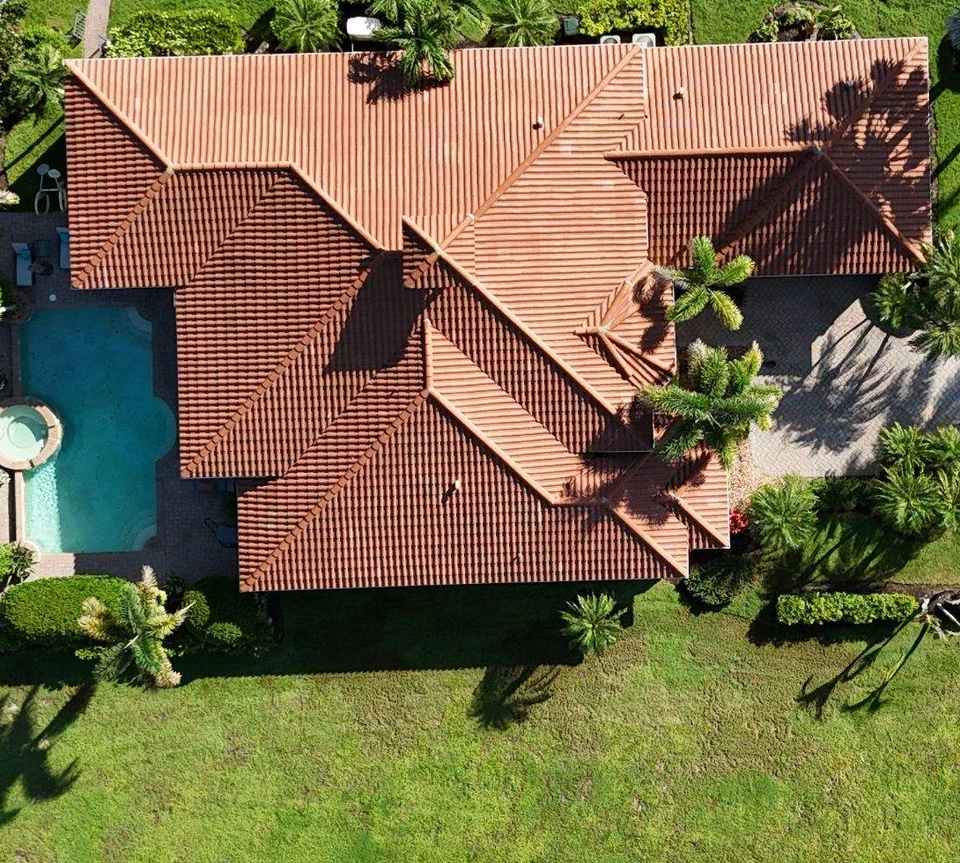
A useful roof-cleaning plan starts with the surface on your home. Tile, asphalt shingles and metal can need different decisions about the cleaner, finish, access and condition. The material name is the beginning of that conversation; the roof’s actual condition and the information available about its products help define the work.
Clean Master’s roof-cleaning service in Port St. Lucie uses controlled soft washing for eligible roofs, with the approach reviewed for the material and property. If you are comparing proposals, ask how that review applies to your roof. A short service label alone does not explain the plan.
Start with these material questions
On a narrow screen, scroll the comparison table sideways. Keyboard users can focus the table and use the arrow keys.
| Roof covering | Information worth identifying | A useful question for the estimate |
|---|---|---|
| Concrete or clay-style tile | Tile type, known coating or previous treatment, damaged or loose components, and access | How will the tile, its condition and any known finish affect the proposed cleaning and access? |
| Asphalt shingles | Shingle manufacturer if known, visible condition, previous repairs and the areas of concern | How does the proposed treatment account for the shingle manufacturer’s cleaning instructions? |
| Metal | Panel and finish information if known, previous repainting/coatings, visible wear and safe access | Is the method compatible with this finish and condition, and which marks fall outside ordinary cleaning? |
You can say that a detail is unknown. Existing product paperwork or a previous roofer’s description may help identify it. There is no need to climb onto the roof to find a label or obtain a closer photograph.
Material 01
Asphalt shingles: protect the surface while addressing the concern
The Asphalt Roofing Manufacturers Association (ARMA) warns against high-pressure washing and brushing asphalt roofing to remove algae. Its guidance explains that scrubbing can loosen granules and that cleaning instructions can vary between shingle manufacturers. Read ARMA’s algae-discoloration guidance.
For a homeowner, the practical question is how the proposed work matches the identified shingles and their condition. Share the roof’s manufacturer if you know it, the locations of visible marks and any previous repair or treatment you know about. A dark appearance alone does not settle every question about its cause or the roof’s underlying condition.
Keep the cleaning discussion separate from known leaks, damaged components and material wear. Clean Master’s cleaning scope addresses compatible exterior buildup; repairs and permanent material changes need their own review. If a contractor identifies a concern that cleaning cannot address, clarify that before agreeing to an appearance outcome.
Material 02
Tile: identify the tile and any finish before agreeing on a method
Concrete and clay-style tile appear within Clean Master’s condition-dependent service scope. Tell the estimator what you know about the covering and any coating, repainting or prior cleaning. Include known loose or damaged tiles in the conversation, along with the parts of the roof that concern you.
Eagle Roofing’s guidance for its concrete tile discusses cleaner compatibility, possible surface damage from unsuitable products and the risks of roof access. Those details belong to the specific concrete-tile context described by that manufacturer. A treatment proposal still needs to be checked against the actual tile and finish on your home. Read Eagle’s concrete-tile cleaning guidance.
Clean Master describes its own service as a controlled low-pressure chemical application. Ask how the actual roof and any applicable product instructions were reviewed before the scope was set. The term soft washing does not, by itself, identify the tile product or confirm approval from its manufacturer.
Material 03
Metal: the finish and present condition matter
For metal roofs, include any known panel, paint or coating information. Mention previous repainting and areas where the finish appears worn, faded or oxidized. Those conditions can change the discussion about what ordinary cleaning can reasonably address.
The Metal Roofing Alliance emphasizes following the roof manufacturer’s specific cleaning instructions and avoiding damaging cleaning tools. Its general maintenance article is a useful reminder to identify the finish before choosing a process. Read the Metal Roofing Alliance’s cleaning guidance.
Clean Master reviews eligible metal roofs using an appropriate non-walking or condition-specific method. Cleaning is not a promise to restore aged paint, reverse oxidation or correct a material defect. Ask the estimate to distinguish the removable buildup being treated from a finish condition that may remain or need a different specialist’s assessment.
Access and the property below the roof belong in the plan
The same material can present different access conditions at two homes. Pitch, height, gates, narrow working areas and screened enclosures can affect the workable scope. Clean Master does not assume that every roof should be walked; access is reviewed with the roof’s material and condition. See how roof access is assessed.
The surroundings also deserve attention. Identify sensitive plants, ponds, damaged gutters, downspouts and unusual drainage before service. The written plan should account for the relevant protection and runoff needs at your property. Clean Master’s protection protocol includes assessment and appropriate rinsing and controls; it is not an unconditional plant guarantee. Review the landscaping explanation.
From a safe position on the ground, you can explain which roof sections concern you and point out access restrictions. ARMA recommends a professional assessment when a roof cannot be inspected safely and advises homeowners against climbing onto it. Read its homeowner inspection guidance.
Separate cleaning questions from repair questions
Tell the estimator about a known leak, broken or loose material, previous repairs and aged finishes. Those are useful facts even when your immediate concern is visible staining. Cleaning does not repair leaks or structural problems, and some remaining discoloration may relate to wear or damage.
Ask what the proposed treatment is intended to change, what may remain and whether another professional needs to review a concern first. A photograph can help describe an area; it cannot settle every hidden-condition or repair question. See the cleaning-versus-damage answer.
What to share when you request a quote
- Material and history: what you know about the tile, shingles or metal, any product information, known coating and prior work.
- The visible concern: which sections you want reviewed and what you can describe from a safe position.
- Known condition issues: leaks, loose or broken components, previous repairs and finish changes.
- Access and surroundings: gates, working space, plants, ponds, gutters and drainage details relevant to the visit.
- Requested timing and scope: the surfaces you want included and any HOA appearance concern or requested date. Cleaning cannot guarantee HOA approval or a particular deadline.
Photos are optional. Use safe, accessible viewpoints and avoid people or unnecessary identifying details. Quote photographs do not grant permission to publish them. Keep entry or alarm codes and personal documents out of the request.
Once the material and scope are clearer, use the existing roof quote-comparison guide and printable checklist to compare what each proposal includes. You can also view a genuine finished Port St. Lucie tile-roof project, with the separate project context stated on that page.
Request a roof-cleaning quote with the information you already have. The roof and property review will determine the proposed scope.