
Condition-specific treatment

Exterior Stain Treatment in Port St. Lucie, FL

Stain treatment starts by identifying both the mark and the material beneath it. Rust, oil, efflorescence, paint, graffiti, organic growth, and unknown discoloration behave differently, so ordinary washing should not be presented as a universal solution.

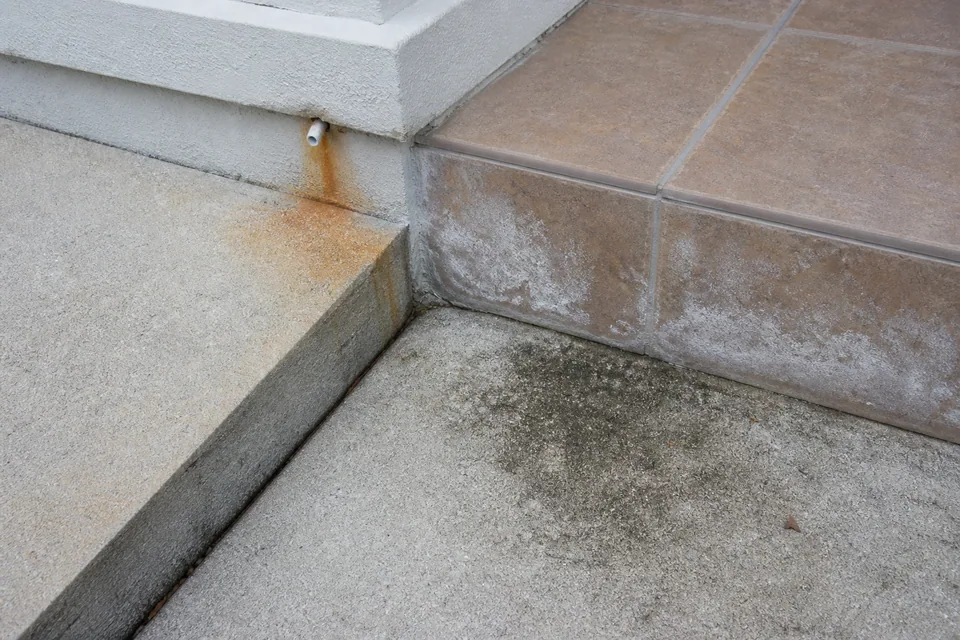
Exterior entry steps with visible surface discoloration

Written scope

What may be included

  • Condition-specific evaluation of stain source, substrate, age, penetration, prior treatments, weather, access, and runoff
  • A treatment plan framed around improvement, reduction, or removal only when the evidence supports that expectation
  • Review of the treated area and any remaining or altered condition

Separate decisions

Quoted separately or condition-dependent

  • All corrective stain treatment unless the written estimate explicitly includes it with another service
  • Repeat treatment or source correction when irrigation, leaks, vehicle fluids, vegetation, or efflorescence remain active

Treat the source, substrate, and condition

A stain name is only the beginning of the diagnosis.

Photos can start the conversation, but treatment depends on what caused the mark, what it sits on, how long it has been present, and what has already been tried.

  1. SOURCE

    Identify the likely source

    Irrigation, metal, vehicles, organic growth, coatings, construction residue, and minerals behave differently.

  2. SUBSTRATE

    Identify the material

    Concrete, pavers, stucco, natural stone, paint, and sealed surfaces do not share one corrective treatment.

  3. TEST

    Set a safe test and scope

    Condition, prior products, access, runoff, and nearby materials determine whether and how treatment proceeds.

  4. EXPECTATION

    Define improvement honestly

    Treatment may improve a condition without erasing permanent discoloration, damage, deep penetration, or recurrence causes.

Scope signals

Conditions considered separately

  • Rust and irrigation-related discoloration
  • Oil, grease, tire marks, and automotive residues
  • Efflorescence, mineral deposits, and moisture-related marks
  • Paint, overspray, graffiti, organic marks, and unknown stains

Stain Treatment Services workflow

Stain Treatment Services
from review to finish.

Clean Master uses the steps below to connect the material, service method, written scope, preparation, and realistic finish expectations.

  1. 01

    Identify the substrate

    Confirm whether the stained surface is concrete, paver, stone, coating, stucco, metal, or another material.

  2. 02

    Investigate the source

    Consider what caused the mark and whether the source is still active.

  3. 03

    Set a testable expectation

    Discuss potential improvement, material change, and why complete removal cannot be assumed.

  4. 04

    Evaluate the treated area

    Review the surface after treatment and document any remaining or changed condition.

Realistic expectations

Material and condition limits for Stain Treatment Services

  • Some stains penetrate, chemically alter, or etch the underlying material and may remain visible.
  • Treatment can reveal or change material color, coating condition, and prior repairs.
  • If the source remains active—such as irrigation, leaks, or vehicle fluids—the condition can return.

Service day

Preparing for Stain Treatment Services

  • 1 Share the source, age, prior products, and clear dry photos of the stain and surrounding material.
  • 2 Stop active leaks or contamination sources when practical before treatment.
  • 3 Expect a condition-specific result discussion rather than a universal removal guarantee.

Local planning context

Stain Treatment Services in local conditions

Irrigation minerals, vehicle fluids, tannins, humidity, and recurring moisture sources are common diagnostic factors for exterior stains around Port St. Lucie.

What helps with the first review

  • The full stained area and the material around it
  • Dry photos in comparable light before and after treatment
  • A stated source, age, and prior-treatment history where known

Useful answers

Stain Treatment Services FAQs

Review common questions about the method, included scope, preparation, and conditions that can change the result.

Can every exterior stain be removed?

No. The stain may have penetrated, etched, oxidized, or otherwise changed the material. Evaluation should focus on realistic improvement, not an assumed guarantee.

Why does the stain source matter?

An active source can continue creating the condition. Knowing whether rust, oil, minerals, paint, moisture, or another material is involved also shapes treatment choices.

Should I try a household product first?

Unknown mixtures can set stains, alter coatings, or complicate later treatment. Share anything already applied so the surface can be reviewed in context.

Is stain treatment part of pressure washing?

It may be related, but it is a distinct condition-specific scope. Ordinary surface cleaning and targeted treatment should be explained separately.

Why can an exterior stain return after treatment?

A stain can recur when its source remains active, such as irrigation minerals, a vehicle leak, vegetation, ongoing moisture, or efflorescence. Treating the mark and correcting its source are separate decisions.

What photos and details help evaluate a stain?

Share a dry close view, a wider view of the material and surroundings, the likely source, the stain's age, prior products, and whether the source is still active. Photos can begin the review but may not establish the final treatment.

Can stain treatment change the surface appearance?

Yes. Treatment can reveal or alter material color, coating condition, wear, or prior repairs. The expected improvement and the risk of visible change should be discussed for the specific stain and substrate.

Why might a stain treatment start with a test area?

A controlled test can show how the identified stain and the material beneath it respond, helping set realistic improvement and appearance expectations. It does not guarantee that every part of a larger or deeper condition will react identically.

Call Request a quote