
Written scope
What may be included
- General dirt and organic buildup on agreed durable flatwork
- Surface-cleaner work where appropriate, with controlled edge and detail work
- Pressure and chemistry adjusted to the material and condition
Durable-surface cleaning
Pressure washing is suited to selected durable exterior surfaces where water pressure, access, drainage, and nearby materials can be evaluated together. Clean Master reviews the surface before defining the cleaning approach.
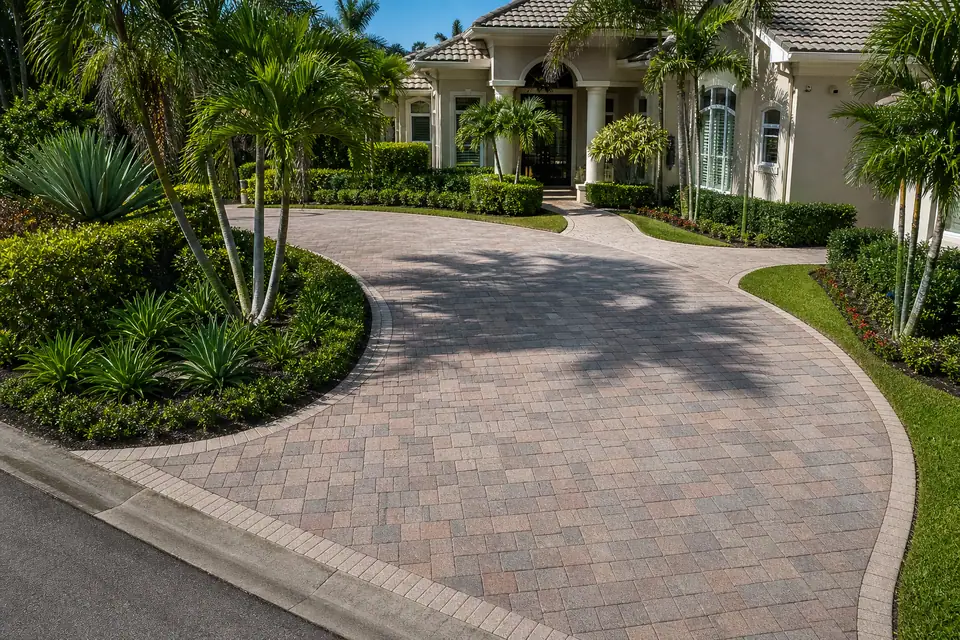
Written scope
Separate decisions
Use pressure where it belongs
The useful question is not simply whether an area can be pressure washed. It is whether the substrate, coating, edges, drainage, and nearby finishes support that method.
Surface-cleaner work can support an even pass on eligible durable concrete, with controlled detail work at edges and transitions.
Finish, age, joints, repairs, drainage, and the pool or landscape edge all affect the workable approach.
Rust, oil, paint, minerals, and heavy tire marks are evaluated separately from ordinary dirt and organic buildup.
Painted, sealed, fragile, or unidentified materials may need a different plan instead of more pressure.
Scope signals
Pressure Washing workflow
Clean Master uses the steps below to connect the material, service method, written scope, preparation, and realistic finish expectations.
Confirm what the surface is made of and note coatings, joints, edges, and transitions.
Plan around nearby walls, landscaping, vehicles, doors, drains, and pedestrian areas.
Match the working plan to the surface condition rather than assuming every area should be treated alike.
Review edges, transitions, and any condition that remains visible after cleaning.
Realistic expectations
Service day
Local planning context
Port St. Lucie heat, irrigation, pool areas, drainage, and nearby landscaping can change the cleaning plan for concrete and other flatwork.
Useful answers
Review common questions about the method, included scope, preparation, and conditions that can change the result.
No. Material, finish, age, condition, and nearby surfaces should be reviewed first. More delicate areas may call for another cleaning approach.
Not always. Rust, oil, paint, mineral deposits, and discoloration can behave differently from ordinary surface soil and may need separate stain evaluation.
Vehicles, planters, furniture, toys, and other loose objects should be moved when practical. The exact preparation depends on the work area.
Yes. Commercial areas need additional planning for access, pedestrians, operating hours, runoff, and the surrounding property.
Pressure washing is considered for selected durable surfaces. Controlled soft washing is used for eligible roofs and compatible exterior elevations. Material, finish, condition, access, drainage, and nearby features determine the appropriate plan.
Only after the coating, repairs, edges, condition, and surrounding finishes are reviewed. A delicate, failing, sealed, or unknown finish may require another method or may need to be excluded.
An eligible pool deck can be considered when its material, finish, coating, condition, drainage, and nearby pool features support the selected method. Pool-deck cleaning does not automatically include sealing or corrective stain treatment.
Not automatically. Ordinary pressure washing addresses compatible surface buildup. Rust, irrigation staining, oil, paint, mineral deposits, and heavy tire marks need a separate condition-specific evaluation and written scope, and complete removal cannot be promised.